FW Action Civic Power for Fort Worth & Beyond

FW Action

Civic Power for Fort Worth & Beyond

Latest Articles

Citations Into Debt: Fort Worth's Municipal Court and the Price of Being Poor
Justice & Safety

Citations Into Debt: Fort Worth's Municipal Court and the Price of Being Poor

A single missed payment can turn a minor citation into a warrant, a night in jail, and years of fees. In Fort Worth, the municipal court system functions less as a neutral arbiter than as a revenue pipeline—one that collects most aggressively from those least able to pay.

Where the Canopy Ends: Fort Worth's Uneven Geography of Heat and Health
Budget & Policy

Where the Canopy Ends: Fort Worth's Uneven Geography of Heat and Health

A block-by-block look at Fort Worth's tree canopy shows that shade—and the health and wealth it protects—is not distributed equally. The gap is not an accident of climate; it is the predictable result of decades of budget choices, zoning patterns, and disinvestment.

Speak My Language: Fort Worth's Civic Life Wasn't Built for Everyone
Civic Empowerment

Speak My Language: Fort Worth's Civic Life Wasn't Built for Everyone

Thousands of Fort Worth residents navigate city government in a language they do not speak. An audit of meetings, forms, and public notices shows that language access is treated as an afterthought—leaving civic participation out of reach for the people who need it most.

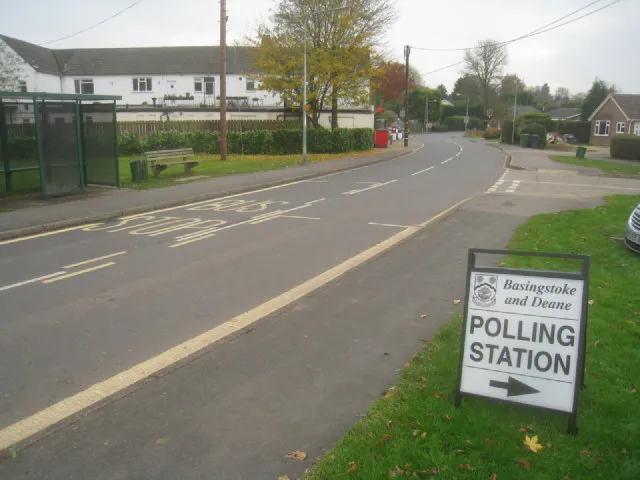
May's Silent Electorate: The Small Circle of Voters Who Choose Fort Worth's Future
Civic Empowerment

May's Silent Electorate: The Small Circle of Voters Who Choose Fort Worth's Future

When Fort Worth picks its mayor and council members each May, only a fraction of registered voters show up — and they don't look much like the city. Here's what the turnout data reveals and how organized residents can change who holds the pen.

Reading the Receipts: Five Budget Lines That Explain Where Fort Worth's Money Really Goes
Budget & Policy

Reading the Receipts: Five Budget Lines That Explain Where Fort Worth's Money Really Goes

Fort Worth's budget document runs to hundreds of pages of tables and fund transfers designed, whether by intent or inertia, to resist a casual read. Five line items — decoded here — do most of the work of explaining the city's real priorities.

Nobody Taught Us How the City Works — So Let's Teach Each Other
Civic Empowerment

Nobody Taught Us How the City Works — So Let's Teach Each Other

Fort Worth residents are not disengaged because they don't care. They're disengaged because no one ever explained the machinery — and the fix won't come from City Hall. It has to come from libraries, congregations, and neighbors willing to teach what the schools never did.

The Random Strings That Lead Somewhere: Why Every Fort Worth Resident Should Know What City Hall Does With Your Data
Civic Empowerment

The Random Strings That Lead Somewhere: Why Every Fort Worth Resident Should Know What City Hall Does With Your Data

A garbled web address brought you here — and that's a fitting starting point for a conversation about opacity in local government. From permit tracking numbers to case identifiers, Fort Worth runs on codes most residents never see. Here's how to decode them, and why it matters.

Filed and Forgotten: The Broken Promise of Code Enforcement in Fort Worth
Civic Empowerment

Filed and Forgotten: The Broken Promise of Code Enforcement in Fort Worth

When Fort Worth residents report illegal construction or unpermitted work, they are told the system will respond. What actually happens next is a story of bureaucratic delay, selective accountability, and complaints that vanish without resolution—unless you know the right people.

The Public Cost of Private Gain: Auditing Fort Worth's Developer Subsidy Machine
Budget & Policy

The Public Cost of Private Gain: Auditing Fort Worth's Developer Subsidy Machine

Fort Worth has quietly transferred hundreds of millions in public wealth to private developers through tax increment financing districts, property tax abatements, and other economic incentives—often with little scrutiny and fewer results than promised. A closer look at the numbers reveals a subsidy apparatus that routinely outperforms its accountability mechanisms.

The Appeal Advantage: Why Fort Worth's Land Use Process Tilts Toward Developers When Communities Push Back
Budget & Policy

The Appeal Advantage: Why Fort Worth's Land Use Process Tilts Toward Developers When Communities Push Back

When Fort Worth planning bodies deny a development application and a developer appeals, the odds shift dramatically in the developer's favor—regardless of how organized or well-documented the community opposition was. An examination of appeal outcomes over the past several years exposes structural imbalances that civic advocates say must be corrected if communities are to have genuine power in land use decisions.

Built Different: How Fort Worth's 'Substantial Compliance' Standard Lets Developers Rewrite Approved Plans After Construction Begins
Budget & Policy

Built Different: How Fort Worth's 'Substantial Compliance' Standard Lets Developers Rewrite Approved Plans After Construction Begins

A vague phrase buried in Fort Worth's municipal code is quietly functioning as a second approval process—one that happens after shovels hit the ground and residents have largely moved on. Understanding how 'substantial compliance' is interpreted, and by whom, is the first step toward demanding that approved plans actually mean something.

Writing the Rules, Then Selling the Exceptions: Fort Worth's Planning Consultant Problem
Budget & Policy

Writing the Rules, Then Selling the Exceptions: Fort Worth's Planning Consultant Problem

A small circle of planning and design firms has collected millions in city contracts to craft Fort Worth's comprehensive plans, design standards, and land use policies. Those same firms—and their principals—regularly appear on the other side of the table, representing developers who need exceptions to the exact standards their former colleagues wrote. This is not coincidence. It is a business model.

The Meetings Nobody Attends That Decide Everything: How Utility Districts Are Quietly Building Fort Worth's Future
Civic Empowerment

The Meetings Nobody Attends That Decide Everything: How Utility Districts Are Quietly Building Fort Worth's Future

While residents focus on city council chambers, a parallel system of utility and infrastructure bodies is making decisions that will shape Fort Worth neighborhoods for generations. These meetings are public, they are consequential, and they are almost entirely unattended—a vacuum that developers and their representatives are more than willing to fill.

The Expiration Date That Never Comes: How Fort Worth's 'Short-Term' Zoning Exceptions Quietly Become Forever
Budget & Policy

The Expiration Date That Never Comes: How Fort Worth's 'Short-Term' Zoning Exceptions Quietly Become Forever

Across Fort Worth, a quiet regulatory pattern is converting short-term land use exceptions into permanent fixtures of the built environment — often without a single public hearing. Understanding how these loopholes operate is the first step toward closing them.

Testimony Into the Void: What Fort Worth Actually Does With Your Public Comments
Civic Empowerment

Testimony Into the Void: What Fort Worth Actually Does With Your Public Comments

Thousands of Fort Worth residents submit written comments and deliver in-person testimony to city officials each year, believing their voices carry weight in policy decisions. An investigation into comment tracking systems, public records requests, and follow-up interviews with residents who testified reveals a troubling pattern: citizen input is routinely collected, catalogued, and effectively buried. The machinery of public participation may be running — but it is not necessarily listening.

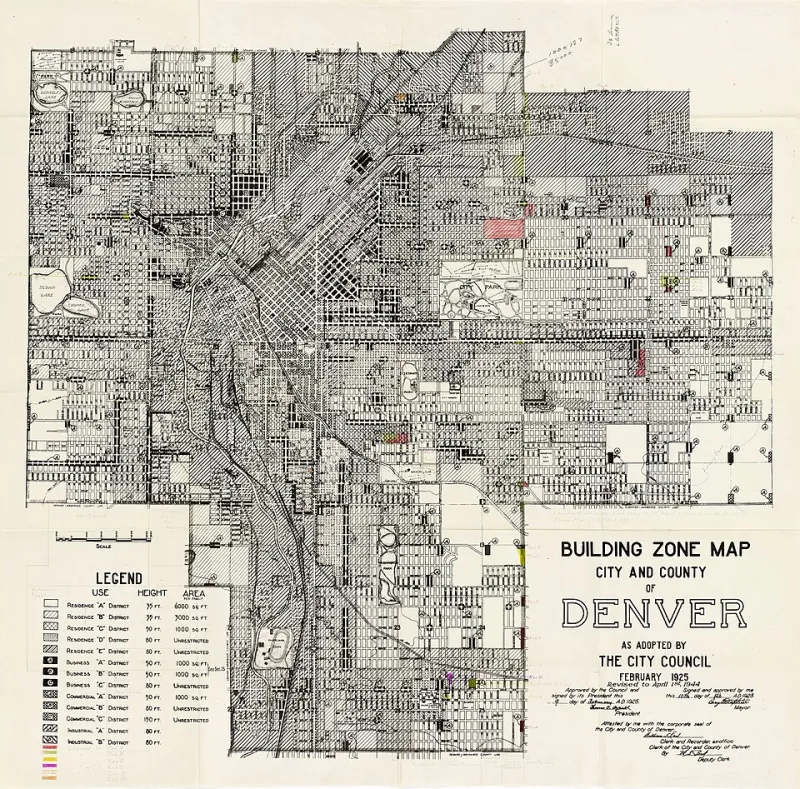
Who Really Decides How Fort Worth Grows: Inside the Rezoning Machine
Budget & Policy

Who Really Decides How Fort Worth Grows: Inside the Rezoning Machine

Fort Worth's rezoning petition process is supposed to be guided by the city's comprehensive plan—a document years in the making that reflects community input and long-range vision. But a closer look at approval rates, staff recommendations, and the distance between policy language and actual outcomes reveals a system where political influence often outweighs planning principles.

Permitted in Secret: How Conditional Use Approvals Are Quietly Reshaping Fort Worth Without You
Budget & Policy

Permitted in Secret: How Conditional Use Approvals Are Quietly Reshaping Fort Worth Without You

Conditional use permits were designed as a flexible tool for exceptional circumstances — not a routine shortcut around community oversight. Yet in Fort Worth, developers have learned to deploy them with strategic precision, winning approvals for projects that would face fierce resistance under standard zoning review. Here is what residents need to know before the concrete is poured.

Buried in a Binder: The Neighborhood Plans Fort Worth Commissioned—and Then Forgot
Civic Empowerment

Buried in a Binder: The Neighborhood Plans Fort Worth Commissioned—and Then Forgot

Fort Worth has spent millions commissioning detailed neighborhood and area plans that now collect dust on bureaucratic shelves, largely unknown to the very residents they were meant to serve. In the gap between what communities planned for and what city hall actually enforces, developers have found fertile ground. This guide explains how to locate your neighborhood's forgotten plan—and how to use it as a genuine policy weapon.

One Voice, Indefinite Delay: How Fort Worth's Hearing Process Hands Veto Power to the Loudest Objector
Budget & Policy

One Voice, Indefinite Delay: How Fort Worth's Hearing Process Hands Veto Power to the Loudest Objector

Fort Worth's public hearing and appeals mechanisms were designed to protect residents from unchecked development — but a closer examination reveals how those same tools can be weaponized by single objectors to stall projects for months or years. The question civic advocates must confront is whether procedural delay represents genuine democratic participation or a structural advantage for those who already hold power. Understanding how this system works is the first step toward reforming it.

Scrolling Past Democracy: How Neighborhood Apps Are Quietly Redrawing the Lines of Civic Power in Fort Worth
Civic Empowerment

Scrolling Past Democracy: How Neighborhood Apps Are Quietly Redrawing the Lines of Civic Power in Fort Worth

Platforms like Nextdoor have become powerful, informal arenas where neighborhood opinion gets shaped, amplified, and sometimes weaponized — often outside the reach of official civic oversight. In Fort Worth, the question of who dominates these digital spaces, and who gets left out entirely, carries real consequences for how policy gets made and who it serves.