Filed and Forgotten: The Broken Promise of Code Enforcement in Fort Worth
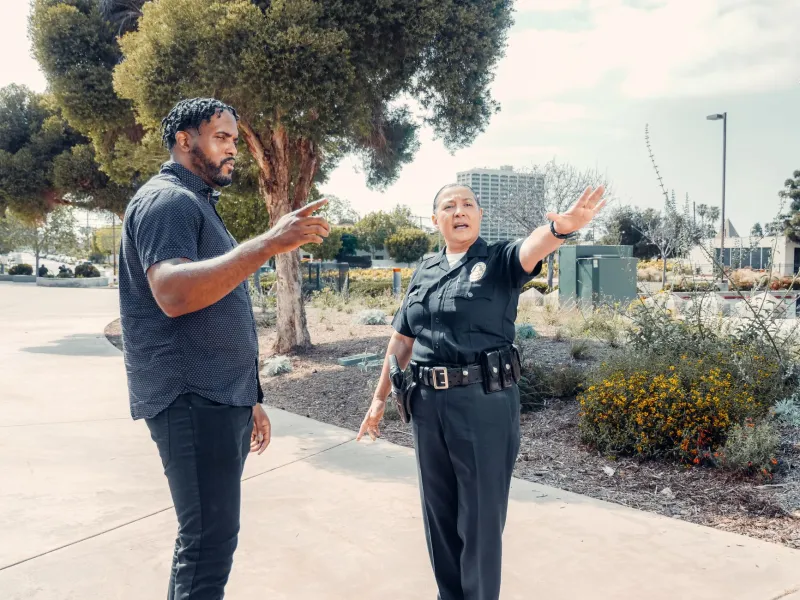
Every year, thousands of Fort Worth residents submit complaints through the city's 311 system, reporting everything from unpermitted garage conversions and illegal dumping to structural modifications that bypass the building permit process entirely. The city's code enforcement division is supposed to investigate these reports, cite violators, and compel compliance. The operative word is supposed.
A review of publicly available enforcement records, combined with accounts from residents across multiple Fort Worth neighborhoods, reveals a system that is chronically understaffed, procedurally inconsistent, and—in a pattern that should trouble anyone who cares about equal application of the law—markedly more responsive to complaints involving ordinary homeowners than those implicating well-resourced development interests.
How the System Is Designed to Work
On paper, Fort Worth's code enforcement process is straightforward. A resident files a complaint. An inspector is dispatched, typically within a few business days for non-emergency violations. If a violation is confirmed, the property owner receives a notice of violation and a deadline to remedy the problem. Failure to comply triggers a citation, and persistent non-compliance can result in administrative hearings, fines, or—in extreme cases—city-ordered abatement.
The framework exists. The problem is what happens between the filing of a complaint and any meaningful outcome.
Residents in neighborhoods from the Northside to Stop Six describe submitting complaints and receiving automated confirmation numbers, followed by silence. Weeks pass. Then months. When they call 311 to follow up, they are told the case is "under review" or that an inspector visited and found no violation—a determination made without any notification to the complainant, and with no avenue for the resident to contest the finding or even review the inspector's notes.
The Data Problem
One of the most significant obstacles to understanding how Fort Worth's code enforcement system actually performs is the difficulty of obtaining reliable, comprehensive data. The city does publish some enforcement statistics, but aggregate numbers obscure the questions that matter most: How long does the average complaint take to resolve? What percentage of confirmed violations result in actual compliance? And how do outcomes differ based on who owns the property in question?
Public records requests filed by community advocates have produced partial answers—and those answers are not reassuring. Response times for complaints in lower-income and predominantly minority neighborhoods tend to run longer than in more affluent areas of the city. Cases involving large-scale developers or properties held by LLCs are disproportionately represented among complaints that remain open for extended periods without resolution.
City officials have disputed some of these characterizations, citing staffing constraints and the legal complexity of certain cases as explanations for delays. Those explanations are not entirely without merit. The code enforcement division has operated below its authorized staffing levels for years, a consequence of budget decisions made by the City Council—decisions that residents have had limited opportunity to meaningfully influence.
Two Cases, Two Outcomes
Consider two complaints filed within months of each other in 2022. In the first case, a homeowner in a working-class neighborhood received a notice of violation for an unpermitted storage shed within three weeks of a neighbor's complaint. The homeowner—who had no prior violations and limited financial resources—was cited, fined, and ultimately required to demolish the structure at personal expense.
In the second case, a complaint was filed against a mid-size development company conducting grading and site work on a parcel without the required permits. The complaint sat open for more than four months. When inspectors eventually visited, they documented the violation but accepted a timeline for retroactive permitting that extended well beyond any deadline that would have been offered to an individual homeowner. The developer ultimately obtained the permits after the fact, with no fines levied.
These are not isolated anecdotes. They reflect a pattern that residents and housing advocates have documented repeatedly: the code enforcement system applies its pressure most reliably to those least equipped to push back.
Why Connections Matter in a Bureaucracy
Code enforcement is, at its core, a discretionary function. Inspectors make judgment calls. Supervisors decide when to escalate cases and when to grant extensions. City attorneys determine when to pursue administrative action and when to negotiate. At each of these decision points, familiarity with the system—or with the people running it—can alter the outcome.
Developers and property management companies that operate regularly in Fort Worth often have established relationships with city departments. They know which forms to file, which offices to call, and which language signals that they are engaged and cooperative rather than defiant. That institutional fluency is itself a form of advantage that ordinary residents simply do not possess.
This is not necessarily a story of corruption. It is a story of how bureaucratic systems, absent deliberate structural safeguards, tend to accommodate the sophisticated and burden the vulnerable.
What Residents Can Do Right Now
If you have filed a code enforcement complaint and received no meaningful response, you are not without recourse. First, document everything: save your complaint confirmation number, note the date of any inspector visits you are aware of, and keep records of all follow-up communications. Second, submit a formal public records request for all documents associated with your complaint number—this forces the city to acknowledge the file's status in writing.
Third, bring your complaint to your City Council member's office directly. Council offices can and do intervene in stalled enforcement cases, and a constituent inquiry from a council representative tends to produce faster responses from city staff than a 311 follow-up call.
Finally, connect with neighborhood associations and advocacy organizations that track enforcement patterns across the city. Individual complaints are easy to dismiss. Documented patterns, presented collectively and publicly, are considerably harder to ignore.
The Structural Fix
Addressing the complaint black hole requires more than procedural tweaks. Fort Worth needs a publicly accessible, searchable database of all open and closed code enforcement cases—one that includes filing dates, inspection dates, violation findings, compliance deadlines, and final dispositions. It needs mandatory response timelines with meaningful consequences for non-compliance. And it needs an independent appeals mechanism that gives complainants, not just property owners, a formal role in contesting disputed findings.
None of these reforms are radical. Many cities of comparable size have implemented them. What they require is political will—and that, ultimately, depends on whether residents decide that accountability in code enforcement is worth demanding loudly enough that City Hall has no choice but to listen.