The Random Strings That Lead Somewhere: Why Every Fort Worth Resident Should Know What City Hall Does With Your Data

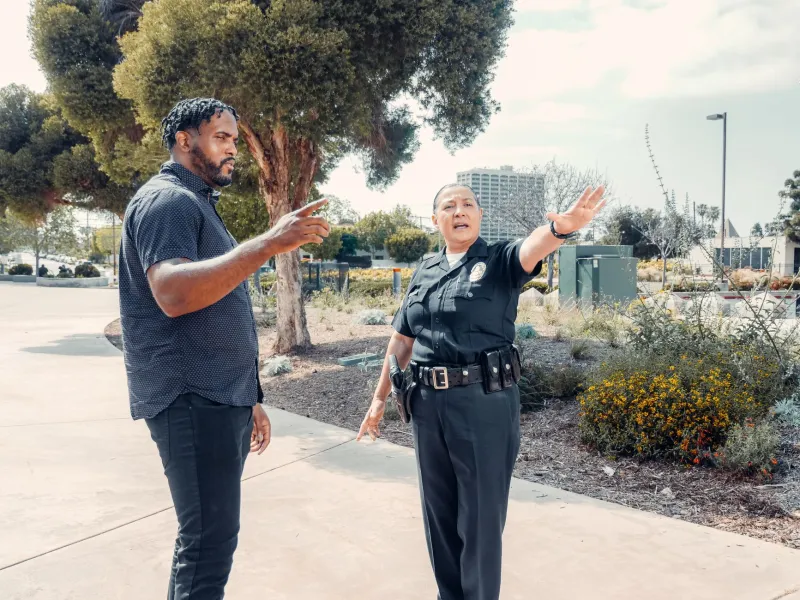
Photo by Photo by Fallon Michael on Unsplash on Unsplash
You typed something into a browser — a string of characters that looks like a password generator's output — and landed on this page. We don't know exactly what you were looking for. But the experience of arriving somewhere unexpected after following an opaque code is a useful metaphor for how Fort Worth's government actually works.
The City Runs on Codes You Were Never Meant to Read
Every property in Fort Worth carries a parcel identification number. Every zoning case has a docket designation. Every permit, every code enforcement complaint, every infrastructure project in the city's capital budget is tagged with an alphanumeric identifier. These strings are the true language of City Hall — and fluency in them is not evenly distributed.
Developers, land-use attorneys, and their consultants speak this language natively. They can pull up a case file, cross-reference a parcel, and trace a variance request in minutes. Most residents, meanwhile, encounter these codes only as barriers: a notice taped to a neighbor's fence referencing "ZC-24-0187," a budget line item identified only by project number, a public hearing agenda that might as well be written in cipher.
This is not a neutral arrangement. When the keys to civic information require specialized knowledge, participation becomes a privilege rather than a right. And in a city growing as fast as Fort Worth, the stakes of that asymmetry compound every day.
Why Opacity Is a Policy Choice
It's tempting to assume that confusing systems are simply the natural byproduct of bureaucracy — that nobody designed them to exclude. Some of that is true. But cities routinely make choices about how to publish information, and those choices determine who can use it.
Consider the difference between a zoning case that exists only as a line item in a PDF agenda packet posted 72 hours before a hearing, and one that appears on an interactive map showing the affected parcels, the requested change, and the deadline for public comment. The underlying legal obligation may be identical. The practical accessibility could not be more different.
Fort Worth has made genuine strides — its online permit portal and open data initiatives are more functional than those of many peer cities. But functionality is not the same as accessibility. A system can be technically open and practically closed if using it requires the time, expertise, and persistence that most working residents cannot spare.
A Resident's Field Guide to Decoding the Strings
The good news: the codes are learnable, and learning them is one of the highest-leverage civic skills available to a Fort Worth resident. Start with three.
1. The parcel number. Found through the Tarrant Appraisal District, this identifier unlocks a property's ownership history, valuation, and tax status. Before you oppose — or support — any development proposal, look up the parcel. Who owns it? What did they pay? How long have they held it? The answers often reveal whether you're looking at a long-term community asset or a short-term speculative play.
2. The case number. Zoning and platting cases filed with the city follow a predictable format, and the case number is your ticket to the entire public record: staff reports, site plans, the applicant's justification letter, and the history of every continuance and modification. Under the Texas Public Information Act, you can request the complete file — and our earlier guide to records requests walks through exactly how.
3. The budget project code. The city's capital budget assigns identifiers to every infrastructure project. Follow a single code across multiple budget cycles and you'll learn something no press release will tell you: whether the promised street repair, park improvement, or drainage upgrade is actually on schedule — or quietly deferred.
From Decoding to Demanding
Individual fluency is valuable. Collective fluency is transformative. When a neighborhood association can cite case numbers, parcel histories, and budget line items in a public hearing, the dynamic changes. Officials can no longer rely on the assumption that nobody in the room has done the homework.
This is also where advocacy has a role beyond individual empowerment. FW Action believes the city should treat plain-language publication of case information, project status, and hearing notices as a baseline obligation, not a courtesy. Other cities have adopted do-it-yourself notification tools that alert residents when a case is filed within a quarter mile of their home. Fort Worth should too.
You arrived here by following a string of characters that made no sense. That's an accident of the internet. It shouldn't be how residents have to experience their own city government. Learn the codes — then demand that the city stop hiding the important things behind them.