Shield or Privilege? How Historic Preservation Districts Became Fort Worth's Most Powerful — and Contested — Development Defense
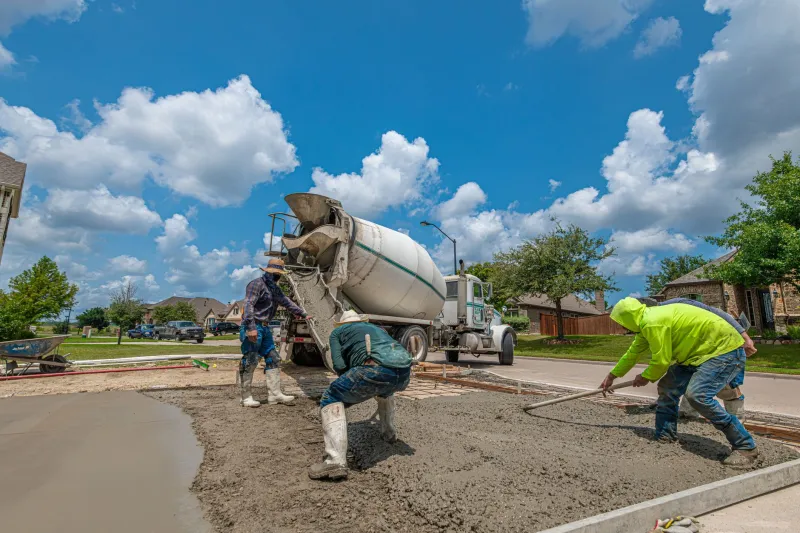
On the surface, historic preservation sounds like a straightforward civic good: protect old buildings, honor community heritage, maintain neighborhood character. But in Fort Worth's rapidly transforming urban landscape, the designation has taken on a second life — as one of the most effective legal tools available to residents who want to stop a developer in their tracks.
The question is no longer simply whether historic districts work. Increasingly, the more urgent question is: who gets to use them?
How the Designation Functions as a Development Brake
Under the City of Fort Worth's historic preservation ordinance, properties located within a locally designated historic district are subject to a separate layer of regulatory review. Any proposed exterior modification, demolition, or new construction within the district must receive a Certificate of Appropriateness from the Historic and Cultural Landmarks Commission before city permits are issued.
For developers accustomed to moving quickly through standard zoning and permitting channels, this additional review layer introduces meaningful friction. Design standards must be met. Community input is formally solicited. Timelines stretch. And in some cases, projects that would have sailed through conventional approval processes are substantially redesigned — or abandoned altogether.
This is not a loophole or an unintended consequence. Preservation advocates will tell you plainly: the regulatory weight of a historic designation is precisely the point.
"We knew that once the district was in place, any developer would have to come to the table," said one resident organizer from a central Fort Worth neighborhood who requested anonymity due to ongoing negotiations with a commercial developer. "It changed the entire dynamic of who has leverage."
Case Studies: Where the Strategy Has Worked
Several Fort Worth neighborhoods have successfully leveraged historic designation to reshape or halt development proposals in recent years.
In the Fairmount and Southside districts — two of the city's most established preservation zones — residents have repeatedly invoked the Certificate of Appropriateness process to push back against proposals they viewed as incompatible with neighborhood scale and character. In multiple instances, developers seeking to demolish contributing structures or construct out-of-scale infill were required to significantly revise their plans.
In the Riverside neighborhood, a coalition of longtime homeowners pursued local historic designation in part as a direct response to what they described as speculative land assembly by investors eyeing the area for higher-density commercial redevelopment. The designation process itself — which requires the city to formally survey the neighborhood's architectural and historical significance — served as a public declaration that the community intended to fight.
These outcomes are not guaranteed. Historic designation does not grant residents an absolute veto. But it does grant them a seat at a formal table with genuine procedural authority — something that standard neighborhood association objections, however passionate, rarely provide.
The Bureaucratic Pathway: What It Actually Takes
Pursuing a local historic district designation in Fort Worth is not a simple undertaking. The process requires a formal application to the Historic and Cultural Landmarks Commission, supported by a survey of contributing properties, documentation of architectural and historical significance, and demonstrated support from property owners within the proposed district boundaries.
That last requirement is where the process becomes genuinely demanding. Fort Worth's ordinance requires that a majority of property owners within the proposed district boundaries consent to the designation — a threshold that demands sustained organizing, door-to-door outreach, and months of community engagement work before a single public hearing is scheduled.
Once an application is filed, the Commission conducts its own review, holds a public hearing, and makes a recommendation to the City Council, which issues the final decision. From initial organizing to Council vote, the process routinely takes one to three years.
For neighborhoods with active civic associations, professional networks, and residents who can afford to take time off work to attend weekday hearings, this timeline is manageable. For others, it is prohibitive.
The Equity Problem at the Heart of the Strategy
The communities that have most successfully navigated Fort Worth's historic designation process share a recognizable profile: they tend to be older, more affluent, predominantly white, and already equipped with robust organizational infrastructure. Fairmount. Berkeley Place. Ryan Place. These are neighborhoods where homeownership rates are high, where residents have disposable time and legal literacy, and where the social networks needed to mobilize a property-owner majority already exist.
This is not a coincidence. It is a structural feature of how preservation policy operates in most American cities.
Historically significant architecture, by definition, requires survival — and survival in Fort Worth's built environment has not been evenly distributed. Neighborhoods that were subject to decades of redlining, disinvestment, and urban renewal demolition were stripped of the very building stock that makes historic designation possible. Many of the city's predominantly Black and Latino neighborhoods, which bore the brunt of mid-century highway construction and urban renewal programs, now lack the concentration of pre-1960s contributing structures that the designation process requires.
The result is a preservation framework that, however well-intentioned, tends to protect neighborhoods that were already protected — and leaves communities with deeper historical trauma and fewer organizational resources without access to the same tools.
"Historic preservation was never designed with us in mind," said a community organizer working in Fort Worth's Stop Six neighborhood. "The history that gets protected is the history that was already valued by people with power."
Expanding the Tool: What Equitable Preservation Could Look Like
None of this means that historic designation is a tool to be abandoned. It means the tool needs to be redesigned — and made accessible to the communities that need it most.
Some preservation advocates in Fort Worth are pushing for city-funded technical assistance programs that would help under-resourced neighborhoods navigate the application process without relying on volunteer labor or pro bono legal support. Others are calling for a broader interpretation of "historical significance" that formally recognizes the cultural and community history of neighborhoods even where contributing architecture is limited.
At the state level, Texas's preservation framework offers limited flexibility, but local ordinances can be amended. Fort Worth's Historic and Cultural Landmarks Commission has the authority to recommend policy changes to the City Council — and residents have the right to appear before that Commission and make the case for reform.
The neighborhoods that have successfully wielded historic designation as a development defense have demonstrated something important: organized communities can win within bureaucratic systems, even against well-funded opponents. The task now is to ensure that the bureaucratic system itself is organized around equity.
What Residents Can Do Now
If your neighborhood is facing development pressure and you want to explore historic designation as a potential defense, the first step is a candid assessment of your organizing capacity and your built environment. Contact Fort Worth's Planning and Development Department to request a preliminary consultation. Connect with established preservation organizations — including Preservation Fort Worth — that offer guidance to communities in the early stages of the process.
And if you live in a neighborhood that has been historically excluded from preservation frameworks, consider showing up to Historic and Cultural Landmarks Commission meetings not just to protect your own block, but to demand that the commission's policies reflect the full breadth of Fort Worth's history — not just the parts that were already protected.

